

The days of swiping and signing are long gone; Chip and PIN was a step, but contactless payments are now an everyday expectation.
For small and local businesses, this shift isn't just about a new way to pay; it's crucial for boosting speed, customer satisfaction, and efficiency. Understanding how contactless technology reshapes the role of credit card machines is key to making your business smoother, simpler, and more rewarding. Embracing this evolution can help your business thrive.
Introduction to contactless payments
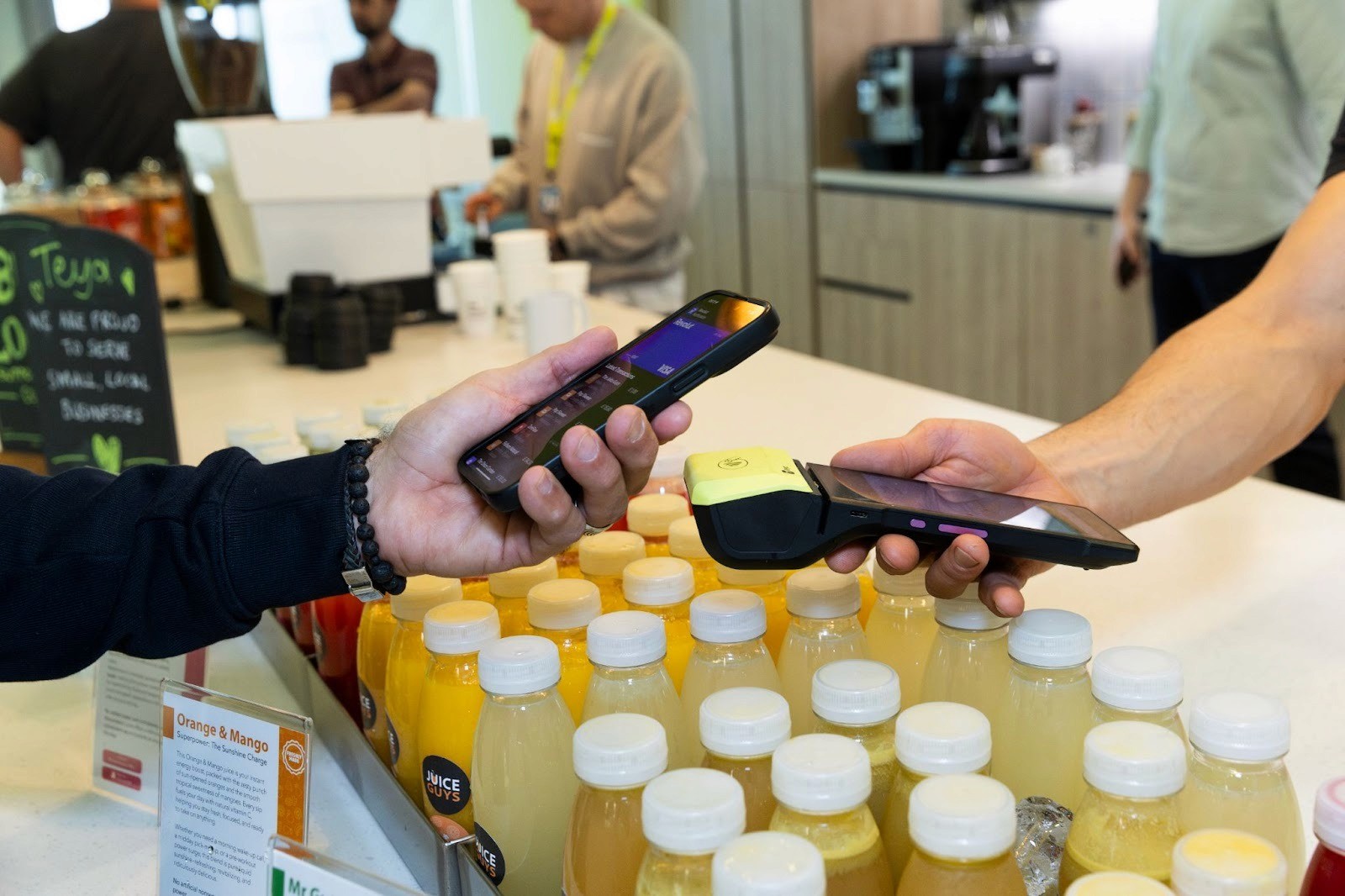
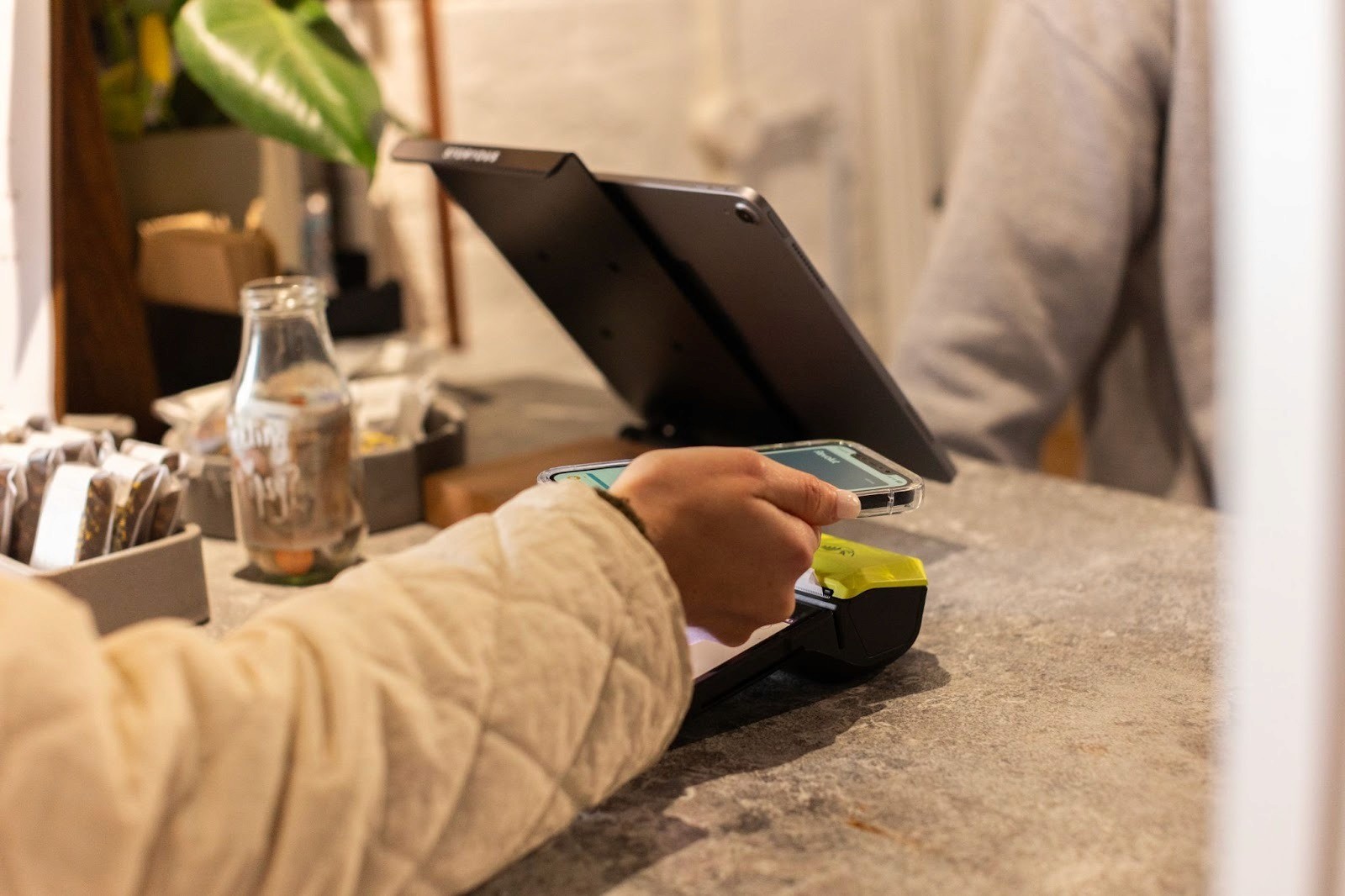
So, what exactly are contactless payments? In simple terms, they are transactions that don't require you to insert your card into a machine or enter a PIN for smaller amounts. Instead, you can simply tap your contactless-enabled credit or debit card, smartphone, or even a smartwatch on a compatible credit card machine to complete the purchase. It’s a secure, fast, and incredibly convenient method known as ‘tap to pay’.
The popularity of this payment innovation has skyrocketed. What started as a handy way to pay for a morning coffee has become the default payment method for millions of people across the UK. This widespread contactless payment adoption is driven by its sheer simplicity. It removes friction from the checkout process, creating a better experience for your members and freeing up your team to focus on what they do best: serving the community.
The rise of contactless payment technology
Proximity payment utilises NFC (Near Field Communication) technology. This allows devices, such as your mobile phone and the card machine, to communicate securely and wirelessly over short distances, transmitting encrypted data to complete the transaction.
NFC is a specialised form of RFID (Radio-Frequency Identification), specifically designed for secure proximity interactions, unlike general RFID which can operate over longer distances.
The integration of NFC chips in cards and smartphones, and NFC readers in payment terminals, has driven the "tap to pay" revolution, making it a reliable and efficient method.
Benefits of contactless payments for businesses
Adopting modern payment solutions with contactless capabilities isn't just about keeping up with trends; it’s about unlocking real, tangible benefits for your business. We see firsthand how our members thrive when they make the payment process as smooth as possible.
Here are some of the key contactless payment benefits:
Incredible speed and efficiency. Contactless transactions are significantly faster than Chip and PIN or cash payments. A simple tap takes just a couple of seconds. For businesses with high footfall, like a café, bakery, or bar, this speed is a game-changer. It means shorter queues, happier customers, and the ability to serve more people during peak hours.
An enhanced customer experience. A slow or clunky payment process can be the last impression a customer has of your business. By offering a quick and effortless tap to pay option, you provide a seamless end to their visit. This convenience is something customers appreciate and remember, encouraging them to return.
Improved security. Contrary to some early misconceptions, contactless payments are extremely secure. Each transaction uses a unique, one-time code (a process called tokenisation), meaning the actual card details are never transmitted. This makes it very difficult for fraudsters to intercept sensitive information. It’s one of the most secure in-store payment methods available today.
Increased sales. When paying is easy, customers are often more inclined to make a purchase, especially smaller, spontaneous ones. Removing the barrier of needing the right amount of cash or going through the motions of Chip and PIN can lead to a higher volume of sales over time.
Better hygiene. The shift towards contactless was accelerated by a greater focus on public health. Tap to pay reduces the need for customers and staff to handle cash or touch a keypad, offering a more hygienic way to transact.
Simplified operations. Modern credit card machines that accept contactless payments often come with features that simplify your daily operations. They can integrate with your POS systems to automatically track sales, manage inventory, and make end-of-day reconciliation much faster and more accurate.
Impact on consumer behaviour
The widespread availability of contactless payment methods has fundamentally changed how people think about and interact with money. These consumer payment trends have a direct impact on your business.
One of the most significant shifts is the expectation of convenience. Customers now see contactless as a standard feature, not a bonus. A business that doesn't offer a tap to pay option can be perceived as outdated, and some customers may even choose to shop elsewhere if the payment process is too slow.
This trend is also a major driver in the move towards a cashless society. People are carrying less physical cash than ever before, relying instead on their contactless cards and digital wallets on their smartphones. For many, their phone has become their wallet. This reliance on digital payment methods means businesses that are cash-only risk excluding a large and growing segment of their potential customer base.
Furthermore, contactless has made small-value purchases much easier. Previously, buying a newspaper or a pack of gum might have been a cash-only affair. Now, the ease of tapping for a purchase of any size has normalised using a card for even the smallest transactions, opening up more opportunities for all types of businesses. As people use these systems more, their trust in the technology grows, solidifying its place as the preferred way to pay.
Challenges faced by businesses
Adopting new payment technology offers clear benefits but also presents challenges that businesses should understand to make informed decisions.
A primary concern is the initial investment required to upgrade to modern contactless card machines, a significant budgetary consideration for small businesses.
Additionally, UK contactless payments currently have a £100 limit per transaction. Sales exceeding this amount will still require Chip and PIN, even though modern machines handle this transition seamlessly.
Technology can also fail due to poor internet connectivity or temporary system outages, disrupting payment processing. Therefore, having a backup plan, such as an alternative payment method or an offline-capable card machine, is crucial.
Finally, some business owners and customers may have security concerns. These can be addressed by educating them about robust security features like tokenisation, which helps build confidence in the technology.
Future trends in payment technologies
The world of payment technology is always moving forward. What seems futuristic today could be the standard tomorrow. Staying aware of these payment technology trends helps you prepare for what's next and find new ways to improve your business operations.
One of the most exciting developments is 'Tap to Phone' technology. This lets you accept contactless payments directly on a compatible smartphone, using an app. It effectively turns your android phone or your iphone into a credit card machine without needing any extra hardware. For new businesses, market traders, or anyone who takes payments on the go, this is a revolutionary step in mobile payment solutions.
Biometric authentication is another area gaining traction. Imagine customers authorising a payment with a fingerprint or facial scan. This offers an even higher level of security and could remove the need for payment limits, as the identity of the user is verified so strongly.
We're also seeing the growth of invisible payments. Think of experiences like Amazon Go stores, where you walk in, pick up what you need, and walk out, with the payment happening automatically in the background. While this is still advanced, the underlying principle of making the payment step disappear is a goal many in the fintech world are working towards.
Finally, while still in their early stages for everyday use, technologies like QR code payments and even cryptocurrencies could play a larger role in the future of online payments. The key takeaway is that the drive for more secure, efficient, and seamless payment experiences will continue to shape the technology we use every day.
Case studies of successful implementations
To see the real-world impact, let’s look at a couple of examples of how businesses like yours have benefited from embracing modern credit card machines with contactless technology.
Case study one: The bustling local café.A small, independent coffee shop was struggling with long queues during the morning rush. Their old Chip and PIN machine was slow, and handling cash took even longer. After upgrading to a modern Teya POS system with a fast contactless terminal, they saw immediate results. Transaction times were cut by more than half. This meant they could serve more customers, reduce wait times, and improve the overall atmosphere. They also noticed that with a quicker checkout, customers were more likely to add a pastry or snack to their order, leading to a 15% increase in the average transaction value.
Case study two: The independent retail boutique.A fashion boutique wanted to create a modern, high-end customer experience that matched its brand. They realised their outdated payment system was a weak link. By implementing a sleek, new card machine that accepted all forms of contactless payments, including Apple Pay and Google Pay, they elevated their checkout process. Customers appreciated the speed and convenience, and the staff found the new system much easier to use for refunds and end-of-day reporting. The boutique also used the sales data from their new system to better understand their peak hours and most popular products, helping them make smarter business decisions.
Conclusion and key takeaways
The shift to contactless payments represents one of the most significant changes in how we handle transactions in decades. It has fundamentally altered the role of the credit card machine, transforming it from a simple payment processor into a tool for enhancing speed, security, and the overall customer experience.
For your business, embracing this technology is no longer just an option—it’s essential for staying competitive and meeting modern consumer expectations. The benefits are clear: faster service, happier customers, improved security, and more efficient operations.
While there can be challenges to adopting new systems, the long-term rewards far outweigh the initial hurdles. The future of in-store payments will only become more seamless and integrated. By adapting now, you are not just improving your business today; you are building a stronger foundation for tomorrow. We're here to help you navigate these changes and find the perfect payment solutions to help your business thrive.
Ready to get started with Teya today?
Team Teya
•