
//
by
Team Teya
It is a busy Saturday morning. Your appointment book is completely full, and you have even turned away a few regular customers to accommodate a large group booking. You prepare the staff, get the stock ready, and wait. Ten minutes pass. Then twenty. They are not coming.
In the UK, the "no-show" is a silent profit killer. Whether you run a bustling local pub or an independent hair clinic, an empty slot is dead time that you cannot get back. According to recent Barclaycard Payments research, no-shows cost hospitality businesses an average of £89 per lost customer.
For the hair and beauty sector, the figures are equally grim. Missed appointments cost the UK industry an estimated £1.6 billion annually. When margins are tight, relying on trust alone is no longer a viable business strategy.
The most effective way to protect your revenue and your team’s time is by taking deposits or setting up card pre-authorisations. By asking customers to commit financially before they arrive, you drastically reduce the chance of them forgetting or simply changing their mind.
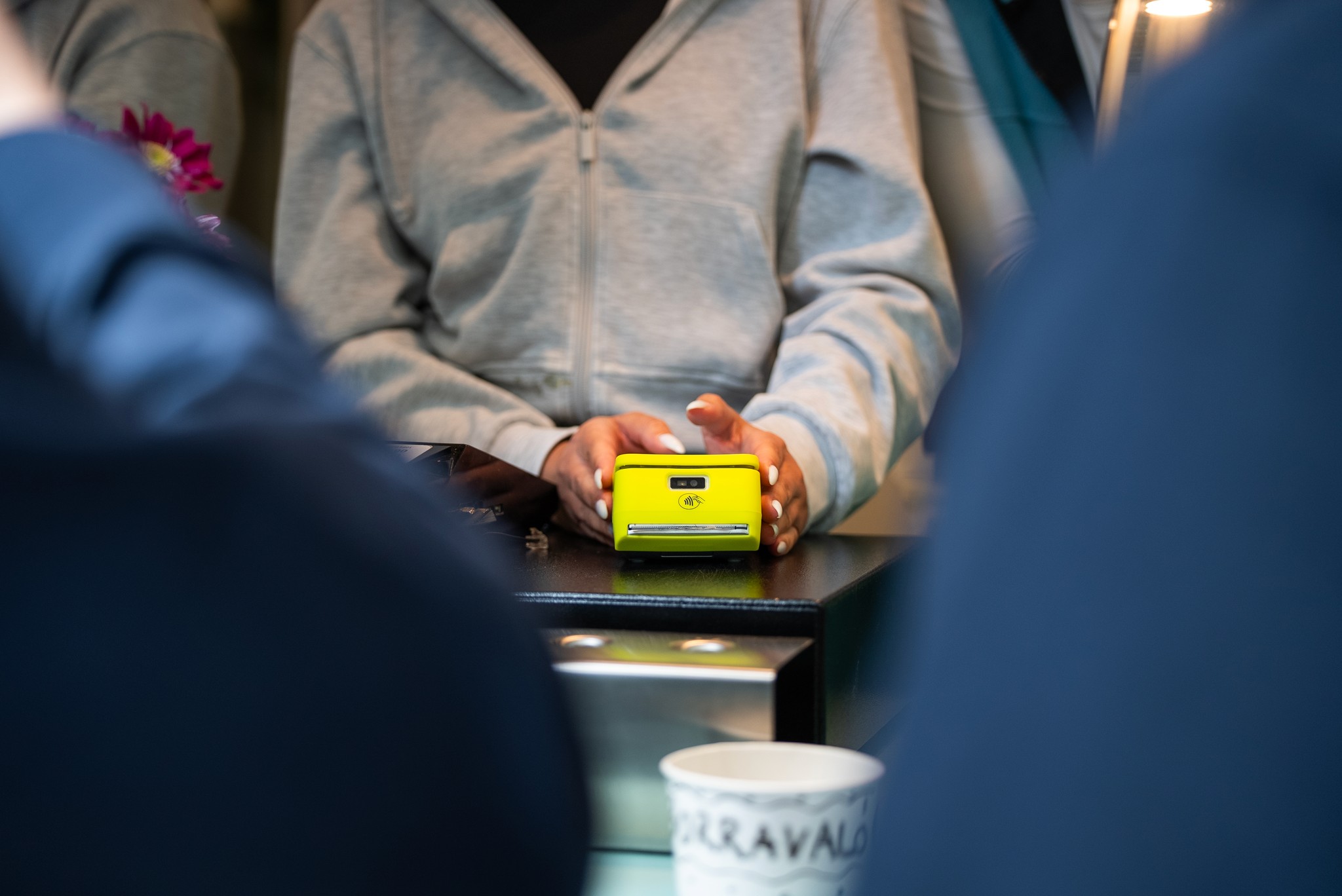
At Teya, we believe your payment tools should protect your hard work. Unlike traditional UK banks that make taking upfront payments complicated, we make it seamless. With fair pricing, next-day payouts, and dedicated human support, we help our Members secure their bookings without the stress.
Deposit vs. Pre-authorisation: What is the Difference?
Before you change your booking policy, it is important to understand the tools at your disposal. Both methods protect your business, but they work in slightly different ways.
Taking a Deposit
A deposit is a partial or full payment taken at the time of booking. The money leaves the customer’s account immediately and goes into your business account. When the customer arrives, this amount is deducted from their final bill.
This method provides immediate cash flow. It is especially popular when taking online deposits for large events, bespoke orders, or high-value services that require you to buy stock in advance.
Pre-authorisation
A pre-authorisation (or "pre-auth") does not actually take money from the customer immediately. Instead, it places a temporary hold on a specific amount of funds on their card.
If they arrive as planned, you release the hold and charge them normally for the meal or service. If they do not show up, you can capture the pre-authorised amount as a cancellation fee. This feels less intrusive to the customer while still guaranteeing your payment.
The Psychology of Financial Commitment
Why do deposits work so well? It comes down to basic human behaviour. If a customer books a table or a treatment with zero financial commitment, it is incredibly easy for them to cancel. If the weather is bad or they simply feel tired, they stay home.
When a customer pays even a small deposit—say, £10 or £20—they have "skin in the game". Data shows that simply requiring card details at the point of booking can drop your no-show rate from over 20% down to under 5%.
It separates the serious customers from the speculative bookers. You no longer have to worry about people who reserve three different venues for the same night, just to decide at the last minute.
How to Implement Deposits Legally and Fairly
When you start taking money upfront, you must be extremely clear about your terms. The Financial Conduct Authority (FCA) has strict Consumer Duty standards that apply to how customer funds and financial transactions are handled. Transparency is a regulatory expectation.
1. Write a Clear Cancellation Policy Do not hide your terms in tiny print at the bottom of an email. State clearly how much notice is required to cancel without penalty. A standard, fair approach is requiring 48 hours for a full refund, and 24 hours for a 50% refund.
2. Be Transparent About Fees Customers must understand exactly what they are paying for. If a deposit is non-refundable under certain conditions, this must be stated before they tap their card or enter their details online. Clear communication is the best method for preventing disputes with deposits and avoiding costly bank chargebacks.
3. Use Discretion for Emergencies Life happens. Trains get cancelled, and people fall ill. While your policy should be firm, empowering your staff to waive the fee for a genuine emergency builds incredible goodwill. A little heartwarming hospitality goes a long way in turning a stressed caller into a loyal regular.
Choosing the Right Approach for Your Business
If you run a service-based business, your time is your inventory. When considering deposits for salons, you might not need to charge everyone.
Many successful UK clinics apply deposits strategically:
New Customers: Ask for a 50% deposit for first-time visitors who have not yet built a relationship with you.
High-Value Treatments: If a service takes three hours and uses expensive products, always secure it with a deposit.
Peak Times: Saturday mornings and Thursday evenings are prime slots. Protect them fiercely by making a deposit mandatory.
Why Traditional Systems Fail Small Businesses
Many SMEs hesitate to take deposits because their current tech makes it too difficult. Older POS providers or traditional bank terminals often require manual entry of card numbers over the phone.
Taking card details verbally is slow and prone to human error. More importantly, writing down card numbers on a notepad poses a massive security risk and violates standard payment compliance rules.
Furthermore, traditional banks often delay your settlement. If you take a deposit on a Friday, you might not see that cash until Wednesday. When you need to buy stock for that specific booking, a slow payout creates a cash flow bottleneck that hurts your daily operations.
The Teya Advantage: Seamless and Secure
We have designed our payment ecosystem to remove the friction of securing appointments. We know that as a UK SME owner, you do not have time to chase unpaid invoices or manually reconcile phone bookings.
Payment Links: If a customer calls to book, you do not need to read card numbers aloud. You can generate a secure payment link on your Teya app and send it via WhatsApp or email. They pay securely on their own phone, and the slot is confirmed instantly.
Next-Day Payouts: We ensure your deposit funds are in your account by the next business day. This keeps your cash flow healthy, so you always have the capital to run your shop.
Simple Reporting: Our digital portal makes it easy to track which deposits have been paid, which are pending, and how they apply to your end-of-day reconciliation.
Human Support: If you ever struggle to process a refund for a cancelled booking, our UK-based team is here to help. You speak to a real person, not an automated chatbot.
Managing Customer Pushback
It is natural to worry that asking for money upfront will scare people away. However, consumer habits have changed dramatically in recent years.
According to UKHospitality, the majority of consumers are now perfectly comfortable paying a deposit for a premium service or a busy restaurant. It is seen as a standard practice that guarantees their spot and ensures high-quality service.
If a customer objects strongly to a £10 deposit, they are statistically the most likely person to no-show. By letting them walk away, you are actually saving your business from a guaranteed loss. You keep the slot open for a true Member of your community who values your time.
Conclusion: Protect Your Time and Revenue
Your time is valuable, and your business deserves to be protected from the silent drain of no-shows. By implementing a clear, fair deposit or pre-authorisation policy, you take control of your schedule and your revenue.
With the right technology partner, this process does not have to be awkward or complicated. It can be a seamless part of your booking journey that builds trust, secures your bottom line, and lets you focus on providing excellent service.
Ready to stop losing money to empty seats? Get started with Teya today and see how we help UK SMEs trade with confidence and security.