

Comparing Costs: Traditional vs. Portable Card Machines
A traditional card machine is likely what comes to mind when you picture a checkout counter. These are the sturdy, countertop devices you see in established retail shops, restaurants, and supermarkets. They are designed to be a permanent fixture at your point of sale, typically connected directly to your phone line or internet router via an ethernet cable.
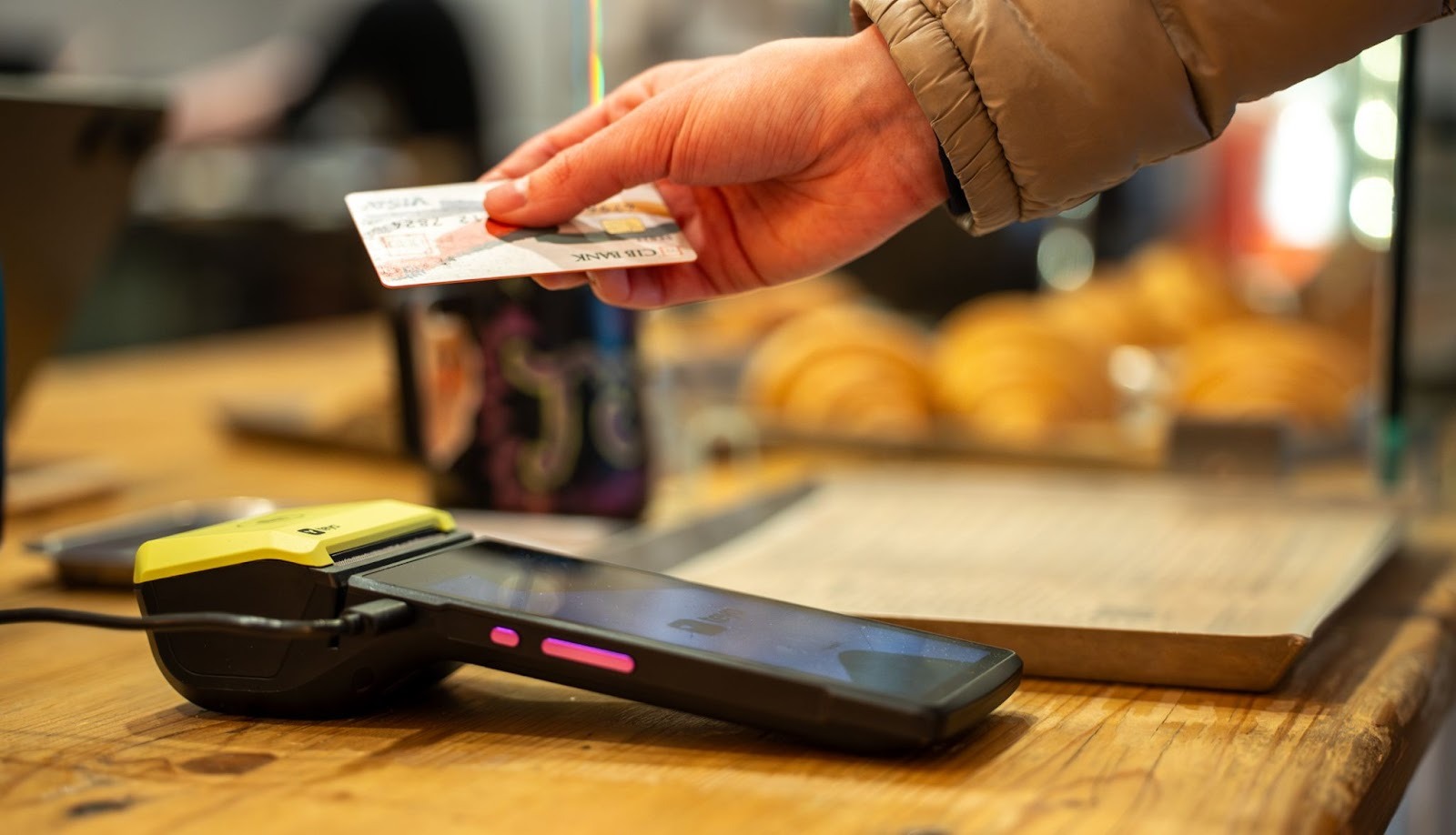
These machines are built for reliability and speed. Because they have a stable, wired connection, they can process payments very quickly, which is crucial during busy periods. Many traditional models also come with an integrated printer for receipts, a large keypad, and a clear screen, making the transaction process smooth for both you and your customers. They are a dependable workhorse for businesses with a fixed location and a high volume of transactions.
Typical Costs of Traditional Card Machines
When considering a traditional card machine, it's important to understand the full cost structure, which often involves more than just the price of the hardware.
Hardware Costs. You might have the option to buy the machine outright, which can cost several hundred pounds. More commonly, businesses choose to rent or lease the terminal. This involves a fixed monthly fee, often tied to a long-term contract of 12, 24, or even 36 months.
Setup and Installation Fees. Some providers charge a one-off fee to get your machine set up and installed in your premises.
Transaction Fees. For every payment you process, you will pay a small fee. This is usually a percentage of the transaction value (e.g., 1.75%) and sometimes includes a small fixed fee as well (e.g., 1.75% + 2p). These rates can vary depending on the card type, such as debit, credit, or business cards.
Merchant Account Fees. To accept card payments, you need a merchant account. Many providers charge a monthly or annual fee for maintaining this account, which can add to your regular outgoings.
PCI Compliance Fees. All businesses that handle card data must comply with the Payment Card Industry Data Security Standard (PCI DSS). Providers may charge an annual fee for helping you maintain this compliance, which is vital for protecting your customers' data.
Pros and Cons of Traditional Card Machines
To help you decide if a traditional machine is right for you, let's weigh the benefits against the drawbacks.
Pros:
Reliability. A wired connection is generally more stable than Wi-Fi or mobile data, meaning fewer dropped transactions.
Speed. They are built to process payments quickly, helping you keep queues moving.
Integrated Features. Many models include a built-in receipt printer, removing the need for separate hardware.
Durability. These machines are robust and designed to withstand the daily wear and tear of a busy environment.
Cons:
Lack of Mobility. They are tied to a specific location, so you can't take payments away from the counter.
Long-Term Contracts. Rental agreements often lock you into a lengthy contract, which can be restrictive for new or growing businesses.
Higher Overall Cost. The combination of monthly rental fees, merchant account fees, and other charges can make them more expensive over time.
Bulky Design. They take up valuable counter space, which can be an issue for smaller businesses.
Exploring Portable Card Machines
Portable card machines, also known as mobile card readers, offer a flexible alternative to their traditional counterparts. These compact, lightweight devices are designed to be taken anywhere. Instead of relying on a physical cable, they connect to the internet using Wi-Fi or a built-in SIM card with a mobile data connection (like 3G, 4G, or 5G).
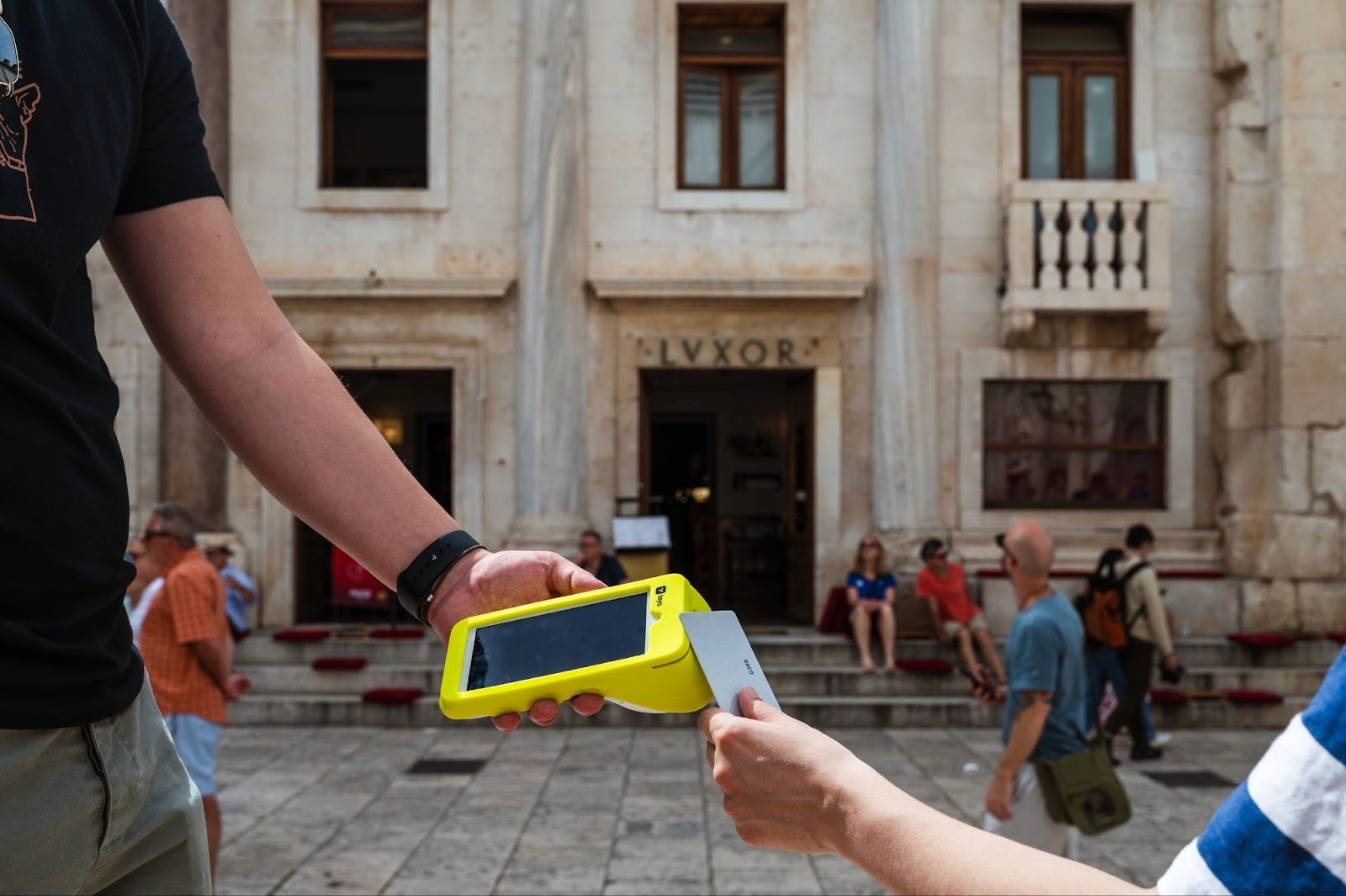
This freedom of movement is their defining feature. It means you can take payments from customers anywhere in your shop, at their table in your restaurant, or even on the go if you run a mobile business. They are powered by a rechargeable battery, so you're not tied to a power socket. Many modern portable machines pair with a smartphone or tablet app, turning your existing device into a powerful point of sale system. This combination of mobility and technology makes them an increasingly popular choice for a wide range of businesses.
Cost Analysis of Portable Card Machines
The cost structure for portable card machines is often simpler and more transparent, which is a big draw for many small business owners.
Hardware Costs. Typically, you buy the portable card machine outright with a one-off payment. This cost is often significantly lower than purchasing a traditional terminal, with many excellent options available for under £100.
No Monthly Rental Fees. Because you own the device, you avoid the ongoing monthly rental or lease fees associated with traditional models.
Simplified Transaction Fees. Many providers offer a simple, flat-rate transaction fee for all card types. This makes it much easier to predict your costs without having to worry about different rates for debit, credit, or international cards.
No Long-Term Contracts. A major advantage is the lack of a long-term commitment. Most portable card machine providers operate on a pay-as-you-go basis, giving you the flexibility to use the machine as much or as little as you need without being tied down.
Minimal Additional Fees. You are less likely to encounter separate charges for things like a merchant account or PCI compliance, as these are often bundled into the straightforward transaction fee.
Advantages and Disadvantages of Portable Card Machines
Just like traditional models, portable machines have their own unique set of strengths and weaknesses.
Advantages:
Flexibility and Mobility. The ability to take payments anywhere is the biggest benefit, perfect for service businesses, market traders, and restaurants offering pay-at-table.
Lower Upfront Cost. Buying the device is usually more affordable than the initial outlay for a traditional system.
Simple, Transparent Pricing. Flat-rate transaction fees and no monthly charges make it easy to manage your budget.
No Lock-in Contracts. The freedom to use the service without a long-term commitment is ideal for seasonal or new businesses.
Disadvantages:
Battery Life. You need to remember to keep the device charged, as a dead battery means you can't take payments.
Connection Dependant. Performance relies on a good Wi-Fi or mobile signal. In areas with poor coverage, you might struggle to process transactions.
Fewer Integrated Features. While some models have built-in printers, many rely on sending digital receipts via email or SMS, which may not suit all customers.
Comparative Analysis: Traditional vs. Portable
To make the choice clearer, here is a side-by-side comparison of the key features and costs of traditional and portable card machines.
Feature | Traditional Card Machine | Portable Card Machine |
Initial Cost | High one-off purchase price or low initial cost with a long-term rental contract. | Low one-off purchase price. |
Ongoing Fees | Monthly rental fees, merchant account fees, and PCI compliance fees are common. | Usually no monthly fees; costs are bundled into the transaction fee. |
Transaction Fees | Often complex, with different rates for different card types. | Typically a simple, flat-rate percentage for all cards. |
Mobility | Fixed to a countertop; not mobile. | Fully mobile; can be used anywhere with a Wi-Fi or mobile signal. |
Connectivity | Wired connection via ethernet or phone line. | Wireless connection via Wi-Fi or a built-in SIM card (3G/4G/5G). |
Contract Length | Often requires a long-term contract (12-36 months). | Usually no contract; pay-as-you-go. |
Best For | Businesses with a fixed checkout and high transaction volume, like retail stores and busy cafés. | Mobile businesses, tradespeople, market stalls, restaurants, and pop-up shops. |
User Scenarios: When to Choose Each Option
The best card machine for you depends entirely on how your business operates. Here are some real-world scenarios to help you decide.
Choose a Traditional Card Machine if:
You run a busy retail shop or supermarket with a dedicated checkout counter. Speed and reliability are your top priorities to keep queues short.
You own a café where all orders and payments are taken at a single till point. You need a robust machine that can handle hundreds of transactions a day without fail.
Your business is well-established and you are comfortable with a long-term contract in exchange for potentially lower transaction rates on high volumes.
Choose a Portable Card Machine if:
You are a plumber, electrician, or other tradesperson who needs to take payment at a customer's property.
You run a food truck or a stall at a local market. You need a payment solution that can travel with you and work anywhere.
You own a restaurant and want to offer the convenience of pay-at-table service, which can improve customer experience and table turnover.
You are starting a new business or have seasonal sales. The low upfront cost and lack of a long-term contract provide the flexibility you need.
Conclusion: Making the Right Choice for Your Business
Choosing between a traditional and a portable card machine is a crucial decision for your business. There is no single "best" option; the right choice depends on your unique circumstances.
Traditional card machines offer unmatched reliability and speed for businesses with a fixed, high-volume point of sale. However, this often comes with higher costs, complex fee structures, and restrictive long-term contracts.
Portable card machines provide incredible flexibility, simple pricing, and lower upfront costs. They empower mobile businesses, improve customer service in hospitality, and offer a low-risk payment solution for new enterprises. The trade-offs are a reliance on battery life and a stable wireless connection.
We encourage you to think carefully about your business needs. Consider where you serve your customers, your average transaction volume, and your budget. By weighing the pros and cons outlined here, you can choose a payment solution that not only processes transactions but also helps your business to flourish.
FAQs
Can I use a portable card machine as my only payment device? Yes, absolutely. For many small and mobile businesses, a portable card machine is a complete and cost-effective payment solution that meets all their needs.
Are there hidden costs I should look for? Always read the contract carefully. Look out for any mention of setup fees, monthly minimums, PCI compliance charges, or early termination fees that might not be advertised upfront.
How important is PCI compliance? PCI compliance is extremely important for protecting your customers' sensitive card data and your business's reputation. Your payment provider should help you understand your responsibilities and make it simple to stay compliant.
Team Teya
•
2. 12. 2025