Ráð fyrir reksturinn
//
af
Team Teya
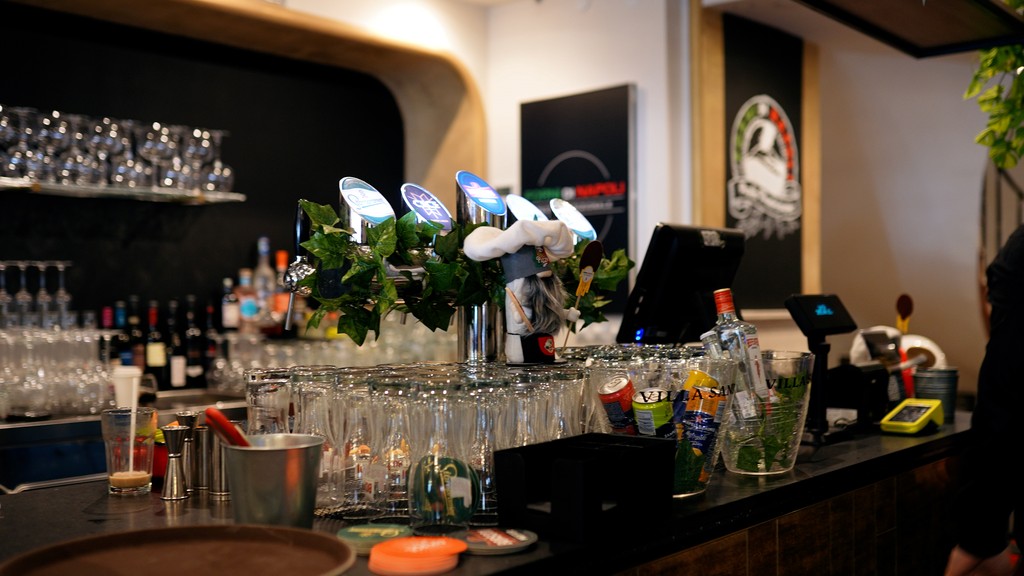
It is 7:00 PM on a Friday in a busy UK pub. The queue for the bar is six people deep, every table is reserved, and your kitchen team is working at maximum capacity to keep up with the flow of orders.
In this moment, your operational costs are at their highest. You have called in extra staff to manage the rush, your energy usage is peaking, and the wear and tear on your equipment is accelerating.
Yet, for many independent operators, the price of a pint or a plate of fish and chips remains exactly the same as it was during a quiet Tuesday afternoon.
If your pricing remains static while your costs fluctuate, you are actively leaving money on the table. Worse, you are absorbing the "surge" in operational expenses directly into your profit margins.
With the 2026 minimum wage for 18-to-20-year-olds rising to £10 per hour, wage inflation is now a structural challenge that can no longer be ignored.
Relying on old-school fixed menus is no longer a safe bet. It is time to look at dynamic pricing strategies as a tool for resilience, not just a trend for big chains.
The Reality of Hospitality Margins in 2026
The UK hospitality sector has entered a phase where profitability depends on how effectively you can extract value from every guest interaction.
Static pricing was designed for a world with predictable inflation and stable supply chains. That world does not exist in 2026.
The industry is currently facing a "new normal" where core costs are embedded and pricing power is constrained by a highly sensitive consumer base.
The Friction Points of Static Pricing:
The Cost-Revenue Mismatch: Your overheads (staffing, heating, lighting) spike during peak hours, but your revenue per unit remains flat.
Inefficient Staffing: Without a pricing lever to encourage customers to visit during "shoulder" periods, you struggle to balance your rotas effectively.
Margin Erosion: When supply costs rise, a fixed menu forces you to either take a hit or implement a blanket price rise that might alienate your Tuesday regulars.
Learning from the "Surge" Pioneers
The concept of dynamic pricing is not new, but its application in the local pub or restaurant is evolving.
The Stonegate Group, one of the UK’s largest operators, made headlines by introducing 20p increases on drinks during their busiest periods to offset rising staffing costs.
While this move faced some social media backlash, it highlighted a fundamental truth: hospitality is one of the few industries still trying to sell a premium-demand product at an off-peak price.
By 2026, the use of market-responsive pricing tools is expected to rise to 31% among UK firms as data-led decision-making becomes the baseline for survival.
How Dynamic Pricing Protects Your Profit
Implementing a dynamic pricing scheme does not mean surprising your customers with "Uber-style" surge pricing every time it rains.
Instead, it is about using data to align your prices with the actual value and cost of the service provided at a specific time.
For an independent UK SME, this can take several forms that feel fair and transparent to your community.
1. The "Happy Hour" Re-imagined
The most traditional form of dynamic pricing is the happy hour. By offering lower prices during quiet periods, you are nudging customers to fill space that would otherwise go to waste.
In 2026, successful operators are using payment analytics to identify these soft spots with surgical precision.
Instead of a generic 5:00 PM to 7:00 PM deal, you might find that your true lull is on a Wednesday between 2:00 PM and 4:00 PM. A data-led discount during this window generates revenue you otherwise would not have had.
2. Strategic Event Pricing
Major cultural moments, such as the Taylor Swift Eras Tour or local festivals, have shown that demand is rarely distributed evenly across the week or month.
If your venue is located near a stadium or a major event space, your "peak" is predictable.
Dynamic pricing allows you to adjust your menu for these high-demand windows, ensuring that the premium experience of a pre-concert meal is reflected in your margins.
3. Integrated Delivery Channel Pricing
If you are integrating delivery apps into your operations, you are already dealing with different cost structures.
Third-party platforms often take a significant commission, meaning a burger sold via an app is less profitable than one sold in-store.
Dynamic pricing allows you to set higher rates on delivery channels to cover these commissions, protecting your in-house margins while still reaching the 20% of hospitality guests who now prefer to order in.
Making the Switch: Transparency and Trust
The biggest hurdle for any UK business adopting these strategies is the risk of a "reputational misstep".
British consumers are historically more likely to view dynamic pricing as "unfair" if it feels opaque or opportunistic.
To make this work for your local business, you must follow the guidance set out by the Competition and Markets Authority (CMA) regarding transparency.
Honest Communication: If you are increasing prices during peak times, be clear about it. A "polite notice" is not enough; customers expect to know the costs up front.
Framing Matters: Presenting changes as "off-peak discounts" is far more palatable than "peak-time surcharges".
Focus on Value: If you are charging more on a Friday night, ensure the experience justifies it. Live music, better staffing levels, or exclusive weekend specials can make a price hike feel like a fair exchange for a better atmosphere.
Why Teya is the Essential Partner for UK SMEs
At Teya, we believe that local hospitality businesses are the heart of the UK high street. You should not need a team of data scientists to protect your profit margins.
Our tools are designed to give you the insights you need to implement dynamic pricing strategies with confidence.
Real-Time Analytics You Can Actually Use
You cannot adjust your prices if you do not know when your peaks are.
Our payment analytics dashboard gives you a live view of your transaction volume. You can see exactly when the rush starts and ends, allowing you to plan your pricing and your staff rotas with total accuracy.
Hardware Built for Hospitality
To run a successful restaurant or pub, you need the best card machines for restaurants.
Our terminals are fast, reliable, and integrated, meaning you can update your prices across your system in moments. No more manual errors or confusing Z-reports at the end of the night.
The "Why Teya" Promise
Fair Pricing: We provide transparent fees with no hidden costs, so you always know your true processing expenses.
Next-day Payouts: Cash flow is the lifeblood of an SME. We settle your funds the next business day, ensuring you have the capital to manage rising supply costs or wage spikes.
Human Support: We don't hide behind bots. Our UK-based team is here to help you get the most out of your payment data.
Building a Resilient Future
The "Uberfication" of the UK pub may be a step too far for many, but the core principle of dynamic pricing is here to stay.
As we move through 2026, the gap between the businesses that thrive and those that struggle will be defined by who uses data to their advantage.
You do not need to be a corporate giant to protect your margins. By understanding your peaks, being transparent with your customers, and using the right tools, you can ensure your business remains a profitable staple of your community.
Stop letting your busy periods drain your profits. Use the data you already have to build a pricing strategy that works for you, your team, and your guests.